


Cotton and Polyester are some of the most popular fabrics, especially in printing products on Printblur. Today, in this blog post, we’ll give you a thorough look at Cotton vs Polyester, from advantages and disadvantages of these fabrics to the final most asked question: Is Polyester better than Cotton?.
Let’s get started with us to find the answer and explore the best material for graphic tees on Printblur!
Cotton Fabric
What is Cotton?

Cotton is a natural fiber obtained from the seeds of the cotton plant. This fiber is nearly pure cellulose, which contains a tiny proportion of fats, water, pectins, and waxes.
Pros and Cons of Cotton
Pros:
Cotton is durable and comfortable, which is better than polyester for casual wear on warm days.
The fiber is hypoallergenic, so it is a perfect fabric for sensitive skin or those who are looking for softness.
Cotton is eco-friendly and has a positive sustainable effect when organically grown. It is also versatile in dyeing different color options for clothing.
Cons:
Cotton can shrink and wrinkle easily, so you’ll need to care for cotton items carefully. In addition, it is less durable than synthetic fibers and may wear out faster with frequent use. Cotton is more expensive than synthetic fabric.
Polyester Fabric
What is Polyester?
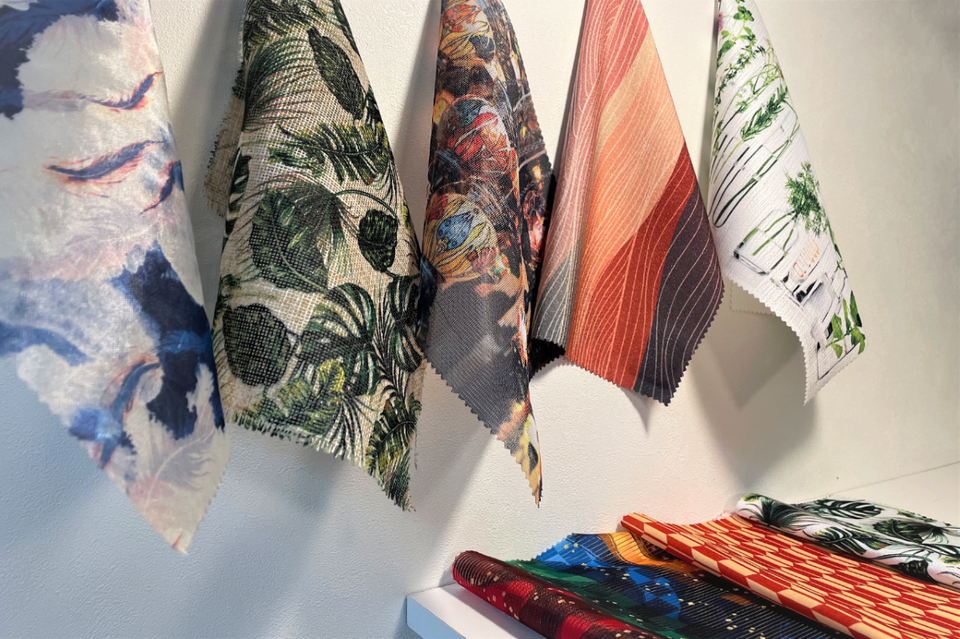
As a synthetic fiber, polyester is made by mixing petroleum-based chemicals, air, and water through a chemical reaction in a lab. This man-made fiber is a typical type of plastic.
Pros and Cons of Polyester
Pros:
Polyester is better than cotton in durability, which can stay its shape and prevent wrinkling and stretching. You can wash your polyester clothing items in the washing machine and dry quickly with minimal maintenance. Polyester is also more budget-friendly than natural fibers like cotton, making it ideal for activewear.
Cons:
Polyester may not bring a sense of softness and luxurious feel that cotton does. It can be damaged by high heat during ironing and washing. You cannot expect to find comfort in polyester as natural fibers in summer days.
What’s more, polyester is a synthetic fiber, its production process may lead to environmental problems.
Polyester Cotton Blend
What is polyester cotton blend?
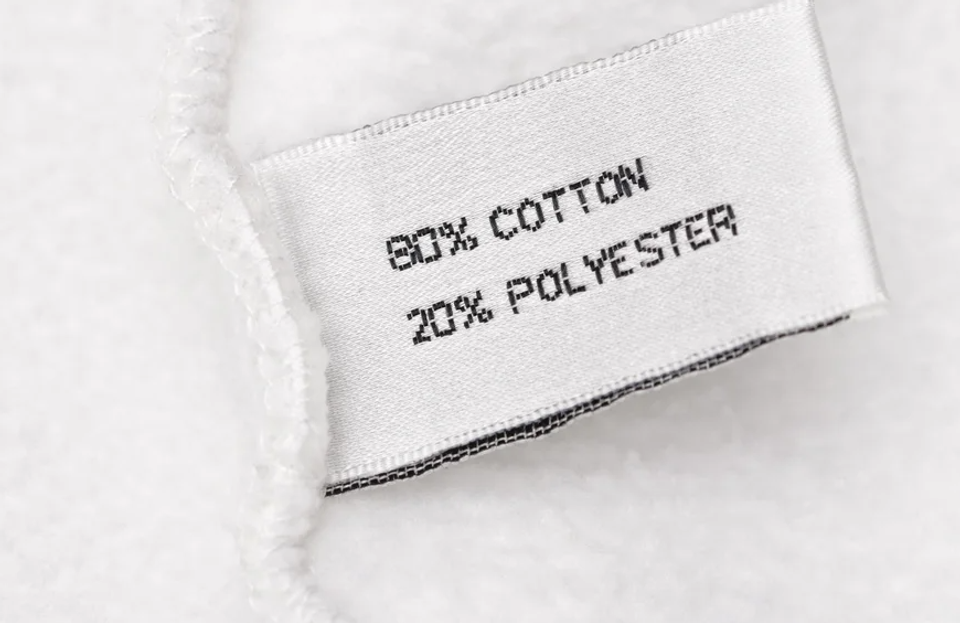
Polyester cotton blend is a combination of outstanding features of synthetic and natural fibers.
Pros and Cons of Polyester
Pros:
This blended fabric is strong with the durability of polyester and the natural softness of cotton. The poly cotton blend is also prone to wrinkle when it is compared to 100% cotton. In other words, it’ll be much easier for you to care for poly cotton shirts from washing to ironing. The price is pretty cheaper than 100% cotton but still ensures the balance between the performance of polyester and the comfort of 100% cotton.
Cons:
Polyester cotton blend is less absorbent than pure cotton. It may not be as soft as to the touch as 100% cotton fabrics, especially in higher polyester ratios. There is a fact that this blended fabric cannot prevent color fading over time. It also contributes to environmental concerns when it comes to polyester productions and microplastic pollution during washing.
Cotton vs Polyester Comparisons: Similarities & Differences
Cotton vs Polyester similarities:
Cotton and polyester share several key similarities that make them popular choices for clothing.
- Versatile for a wide range of applications, especially in apparel.
- Easy to care (machine washable)
- Durable
- Resistant to heat, detergents, and bleaching.
Cotton and polyester can be blended to combine their outstanding strength and provide comfort and performance in everyday wear.
What’s the Difference between Cotton and Polyester?
| Criteria | Cotton | Polyester |
| Durability | Moderate | High |
| Cotton is a natural fiber that can wear out over time, especially with frequent washing and exposure to sunlight. It is prone to shrinking and wrinkling. | When it comes to the durability between cotton and polyester, polyester is the winner. It is resistant to stretching, shrinking, and wrinkling. | |
| Breathability | High | Low to Moderate |
| Cotton is highly breathable, making it best for working out in the gym. Cotton absorbs moisture, which helps keep you cool and comfortable in summer. | Polyester is less breathable than cotton and can retain heat, making it less ideal for hot days. | |
| Fabric Care | Proper care instruction needed | Proper care instruction needed |
|
| |
| Price | Higher | Cheaper |
| The price of cotton can vary depending on quality and type. Organic and high-thread-count cotton tend to be more expensive. | Polyester shirts are much cheaper than cotton shirts. While cotton is natural and needs extra production costs, polyester is a synthetic fiber with more affordable production cost. |
Polyester vs Cotton: Things to consider before choosing
When selecting fabrics for your clothing or other textile needs, it's important to consider various factors that influence comfort, durability, breathability, maintenance, and cost. Cotton, polyester, and cotton-poly blends each have unique characteristics that make them suitable for different purposes. Understanding these key elements will help you make an informed decision that meets your specific requirements.
Comfort
This element is crucial, as it directly affects the wearability of a garment. Cotton is soft, breathable, and ideal for sensitive skin, making it comfortable for prolonged wear. Polyester, while less breathable, is lightweight and can wick moisture away, providing comfort in active wear. Cotton-poly blends aim to offer the best of both worlds, combining cotton's softness with polyester's durability. Consider how often and in what conditions you'll wear the fabric to choose the most comfortable option.
Durability
This factor determines the lifespan of your garments. Cotton, while comfortable, is prone to shrinking and wearing out over time. Polyester, in contrast, is highly durable, resistant to shrinking, and maintains its shape well. Cotton-poly blends offer a middle ground, balancing the durability of polyester with the comfort of cotton. Consider how frequently you'll wear and wash the fabric to ensure it meets your durability needs.
Breathability
Breathability affects how well the fabric allows air to circulate, impacting comfort in warm conditions. Cotton excels in breathability, keeping you cool and comfortable. Polyester is less breathable but performs well in moisture-wicking, making it suitable for athletic wear. Cotton-poly blends provide moderate breathability, offering a compromise for varied activities.
Cost
Cost influences your budget and the value you get from the fabric. While cotton tends to be more expensive due to its natural production process and comfort qualities, polyester is generally cheaper, being synthetic and mass-produced. Cotton-poly blends vary in price but are usually more affordable than pure cotton while providing a balance of benefits. Consider your budget and how much you're willing to invest in the fabric's qualities.
Printing
Printing suitability really matters when it comes to custom designs and logos. Cotton absorbs ink well, resulting in vibrant, long-lasting prints. Polyester, however, can be challenging to print on due to its synthetic fibers, often requiring special inks or processes. Cotton-poly blends can vary; a higher cotton content typically means better print quality.
On Printblur, we’re also aware of the important role of fabric on the performance quality of custom-made products.
Best Uses
Let’s think about the suitability of fabrics for specific applications when you’re confused with cotton and polyester shirts or anything else.
Cotton is ideal for everyday wear, bedding, and items needing softness and breathability. Polyester excels in activewear, outdoor gear, and items requiring durability and moisture-wicking properties. Cotton-poly blends are versatile, suitable for a wide range of uses, balancing comfort, and durability.
The ultimate goal is to find safety and comfort in wearing.
Caring consideration
This factor is specifically washing, drying, and ironing requirements of the fabric. Cotton typically requires gentle washing and may shrink or wrinkle, needing more careful handling. Polyester is low-maintenance, resistant to wrinkles and shrinking, and can often be machine-washed and dried. Cotton-poly blends are generally easier to care for than pure cotton, offering a good balance of ease and performance. Choose a fabric that aligns with your willingness to engage in garment care.
Sustainability Impact
This factor may not be a priority for your consideration when you choose cotton or polyester as it is. Sustainability reflects the environmental footprint of fabric production. Cotton, though natural, often requires significant water and pesticide use, affecting its eco-friendliness. Polyester, being synthetic, is derived from petroleum and contributes to microplastic pollution but is recyclable.
Best Materials for Graphic Tees on Printblur

At the market place Printblur, all graphic tees are sold by independent artists worldwide, and the material quality and production information is guaranteed as description. T-shirts are primarily made from 100% cotton and polyester/cotton blends to deliver the best experience for printing products, especially graphic tees at competitive prices.
Depending on the shirt type and color, the fabric composition of the graphic t-shirt may vary to ensure the quality of graphic t-shirts. Solid color t-shirts are 100% cotton, while heather colors are 50% cotton and 50% polyester. Antique colors are 60% cotton and 40% polyester.
You should take the product details into consideration below each graphic tee before adding it to your cart and completing your order on Printblur.
Popular Selling blended fabric/ cotton graphic tees available on Printblur:
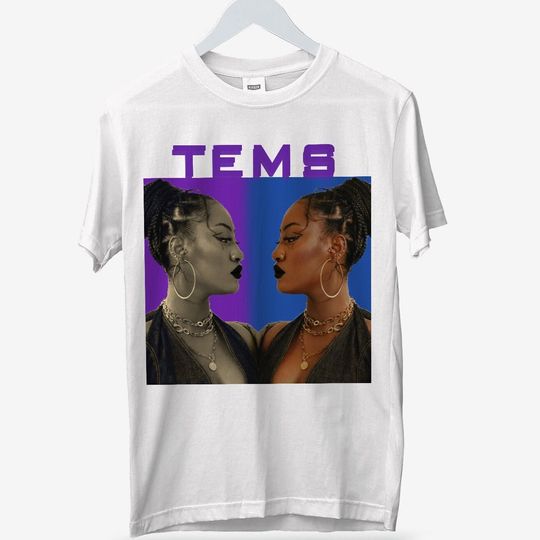
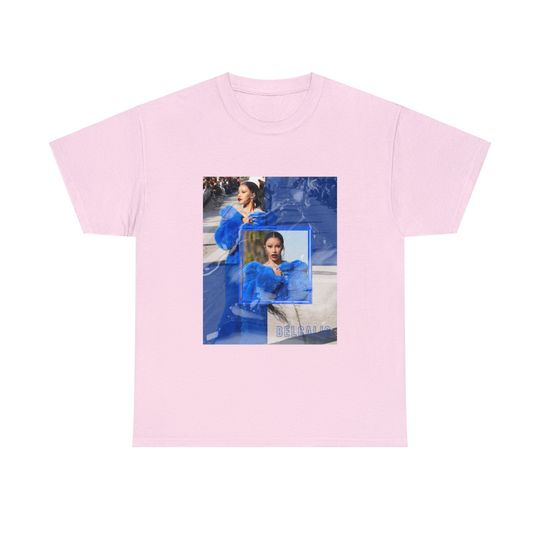

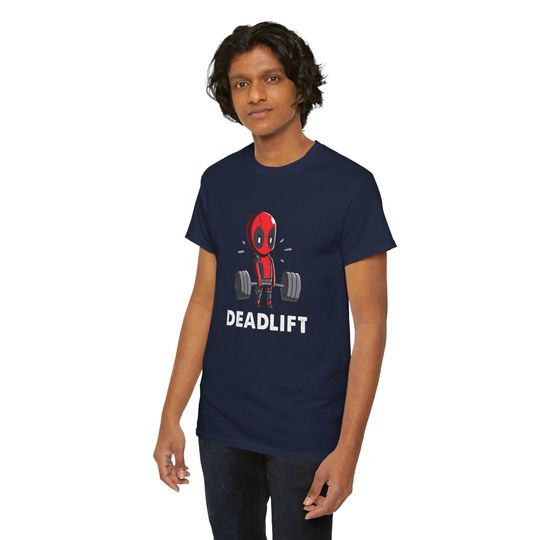
Explore our collection of graphic tees on Printblur to choose the fabric that fits your needs.
Final Verdict: Is Polyester better than Cotton?
Whether polyester is better than cotton depends on your specific needs. Consider the intended use, care preferences, and desired comfort level to choose the fabric that best suits your requirements.
Cotton vs Polyester: Which is better for winter?
Basically, polyester is a nice fabric in cold weather because of its high durability and ability to keep you warm. However, it is preferable to opt for a cotton-acrylic combination.
Cotton vs Polyester: Which is better for health?
As mentioned earlier, cotton is natural, so it is gentle and skin-friendly that reduces allergic reactions. In addition, it is also free from chemicals used in production of synthetic fibers like polyester. Hence, Cotton is a safer choice for those with sensitive skin or allergies.
Is polyester or cotton better for bedding?
Though polyester sheets are a great friendly-budget choice to keep you warm on cold days, they may be less breathable and may trap heat. Cotton is softer and more breathable, which is a healthier choice for bedding to experience pleasant sleeping.
Is polyester stronger than cotton?
Yes. Polyester is stronger than cotton. It is resistant to wear, tear, and stretching. Consider polyester fibers as a long-lasting option, especially for items that usually experience frequent use and washing.
Is cotton or polyester better for sweating?
Polyester. Polyester does a good job of managing sweat when you work out or do physical activities. It moves sweat away from the skin and helps it evaporate quickly. Meanwhile, cotton absorbs moisture and can become heavy and uncomfortable when wet, making it less suitable for activities that cause significant sweating.
Related Posts:
What is a Tri-Blend Shirt? Top Benefits of Tri-Blend You May Not Know
V-neck vs. Crew Neck T-Shirt: Styling tips for your unique style
Polyester is also called Polyethylene terephthalate or PET as well.
Yes. Polyester fabric is a nice choice for those who are looking for a fabric that is excellent at durability, moisture-wicking, simple care, and affordability. It is up to your needs for specific uses when you choose a fabric like polyester, cotton, or other materials.
Yes. Though polyester does not absorb sweat like cotton, it traps heat and makes you feel hot. So polyester is not a great option for summer days.
Cotton shirts feel different by variations in fiber quality, fabric weight, finishing processes, and knit patterns. It is usually soft and smooth. Different weaves and fabric weight may change slightly texture and breathability.
Cotton is one of the best materials that make it perfect for hot days. Cotton is soft, lightweight, and breathable. Lightweight cotton is cool, so you’ll feel more comfortable to wear in summer.
100% cotton is made by harvesting cotton bolls, separating the fibers from the seeds, spinning the fibers into yarn, and then weaving or knitting the yarn into fabric. The fabric may undergo various finishing processes to enhance its texture, appearance, and durability.