

Knowing how a sweater should fit makes all the difference between a polished look and an awkward one. The right fit keeps you comfortable and gives you a desired look .
Today, this article will help you find the answer “How should a sweater fit?” and help you choose your sweater size smarter.
Why Proper Sweater Fit Matters?

A good sweater fit contributes to how you look in a sweater. A sweater that fits well highlights your shape, keeps you comfortable, and delivers your desired looks,
Moreover, sweater fit also matters in print quality. When a sweater is too tight, the fabric stretches and the printed design can warp or fade over time. When it is too loose, the print may fold or lose its center point. The right fit keeps the design flat and clear so your artwork or logo stays sharp and vibrant.
For example, even a fun piece like a Godzilla ugly Christmas sweater looks best when it fits correctly, snug enough to show the print clearly. The right balance ensures both comfort and visual impact, especially with bold, detailed prints.
A properly fitted sweater gives you confidence, comfort, and boasts your favorite print effortlessly (if you go for artist-designed sweaters).
Key Fit Areas of A Sweater You Need to Know
Shoulder Fit
The shoulder seam of a sweater should sit exactly where your shoulder ends. If the seam hangs lower, the sweater looks oversized and the fabric droops. Meanwhile, it rides up toward your neck, which feels tight and restricts movement.
Proper shoulder alignment keeps your printed design centered and balanced across the chest.
Body and Chest Fit
Your sweater should fit close to your body without feeling snug. Leave about one to two inches of space between the sweater and your chest. This small amount of ease gives room for layering while keeping a clean shape.
A chest that is too tight can stretch or distort direct-to-garment or sublimated prints. A loose body can make your print look uneven or droopy. The best fit drapes smoothly over your torso and keeps the print flat and visible.
Sleeve Fit
The sleeves of a sweater should reach right to your wrist bone.If your sweater includes printed sleeves or graphics near the cuff, make sure the design lines stay straight when your arms rest at your sides.
When layering with shirts or jackets, smooth the cuffs to prevent bulk or bunching. Balanced sleeves keep the print sharp and the fit refined.
Length Fit
A good sweater length ends around mid-fly or just below your waistband. This length keeps your outfit balanced and ensures that printed designs near the bottom stay visible.
A longer hem can stretch prints near the waist when you sit or move, while cropped styles shift attention to upper-chest prints.
Collar and Neckline Fit
The neckline defines the sweater’s overall style and affects where a print sits on the chest.
Choose the right type for your design and comfort level:
- Crewneck: A timeless choice that provides a smooth surface for chest prints.
- V-neck: Ideal for smaller logos or subtle artwork that sits just below the collarbone.
- Turtleneck: Offers a sleek, minimal look where fabric drape matters more than print area.
The collar should feel snug enough to frame your neck but not tight. A comfortable neckline supports layering and keeps your printed design aligned at the top of the sweater.
How Sweater Fabric Affects How It Should Fit
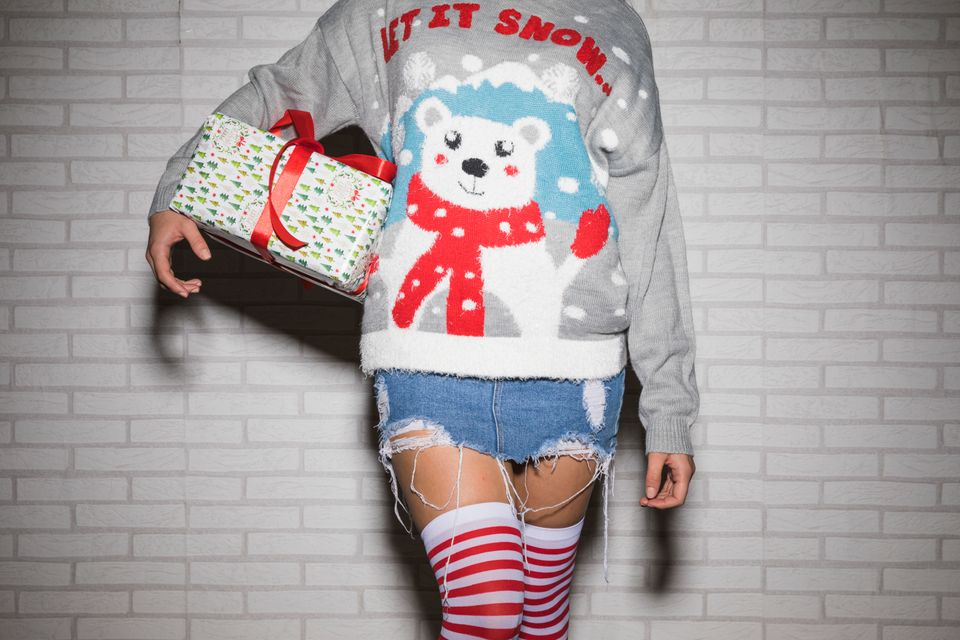
Sweater fabric also matters on how your sweater feels, moves, and displays your custom print. Each material stretches and drapes in its own way, which changes how the sweater fits your body and how your design appears once printed.
Understanding fabric behavior helps you choose the right fit and create a better print result on Printblur.
Polyester Blends
Polyester blends are one of the most common choices for custom-made sweaters. They are durable, hold color well, and resist shrinking.
The natural stretch in the fabric allows a slightly slimmer fit without distorting your print. This makes polyester blends perfect for sweaters with detailed or colorful artwork.
Cotton-Polyester Blend
This blend offers the comfort of cotton with the flexibility of polyester. It fits true to size while allowing light movement and layering. Cotton-polyester fabrics absorb ink evenly, producing bright, long-lasting prints. Ideal if you want both softness and print vibrancy in a daily wear sweater.
To get a clearer picture of how each material behaves, check out the essential difference between cotton and polyester. It’ll help you understand why certain sweaters fit or feel better than others.
Fleece-Lined Polyester
Fleece-lined sweaters add warmth and structure. The inside layer gives a soft, cozy feel, while the outer layer keeps your print crisp and clear.
Fleece adds thickness, a slightly looser fit works best. This prevents tightness at the shoulders and maintains smooth print surfaces across the chest and back.
Performance Knits
Performance knits are made for stretch, movement, and durability. They work best for active or lifestyle printed sweaters where comfort and flexibility matter.
These fabrics hold shape even with a closer, body-hugging fit, so your design stays centered and undistorted during activity.
By considering the fabric of your new desired sweater, you’ll easily find the perfect size as imagined
Fit Considerations for Layering and Styling A Printed Sweater
How should a sweater fit if you layer it with other staples? The following guide will help you out:
Choose the Right Base Layers
If you layer a button-down shirt over a sweater, pick a lightweight or slim-cut fabric. Heavy shirts can add bulk around the shoulders and chest, which may cause the sweater to stretch and shift the print.
For a more casual look, a soft cotton or jersey tee works best under crewneck and fleece sweaters.
Maintain a Smooth Outer Fit
Your sweater should glide easily over the base layer without pulling at the seams. Leave just enough room in the chest and shoulders for movement. If your sweater has a chest print, make sure it lays flat when you sit or move your arms.
A tight or overstretched sweater can wrinkle the design and fade the ink over time.
Printblur’s Pro Tip:
At Printblur, we recommend testing your preferred layering combination before ordering. Try your sweater over the shirt or tee you plan to wear most often. This simple check helps confirm your best fit and ensures your printed design stays smooth and eye-catching.
The right layering fit brings comfort, versatility, and style while keeping your custom print in perfect shape.
Sizing and Customization Tips on Printblur
Getting the right size is the first step toward a sweater that looks great and keeps your design perfectly aligned. At Printblur, every custom sweater is printed to order, so choosing your size carefully ensures that the print sits exactly where it should and looks its best.
Use Printblur’s Size Charts and Fit Guides
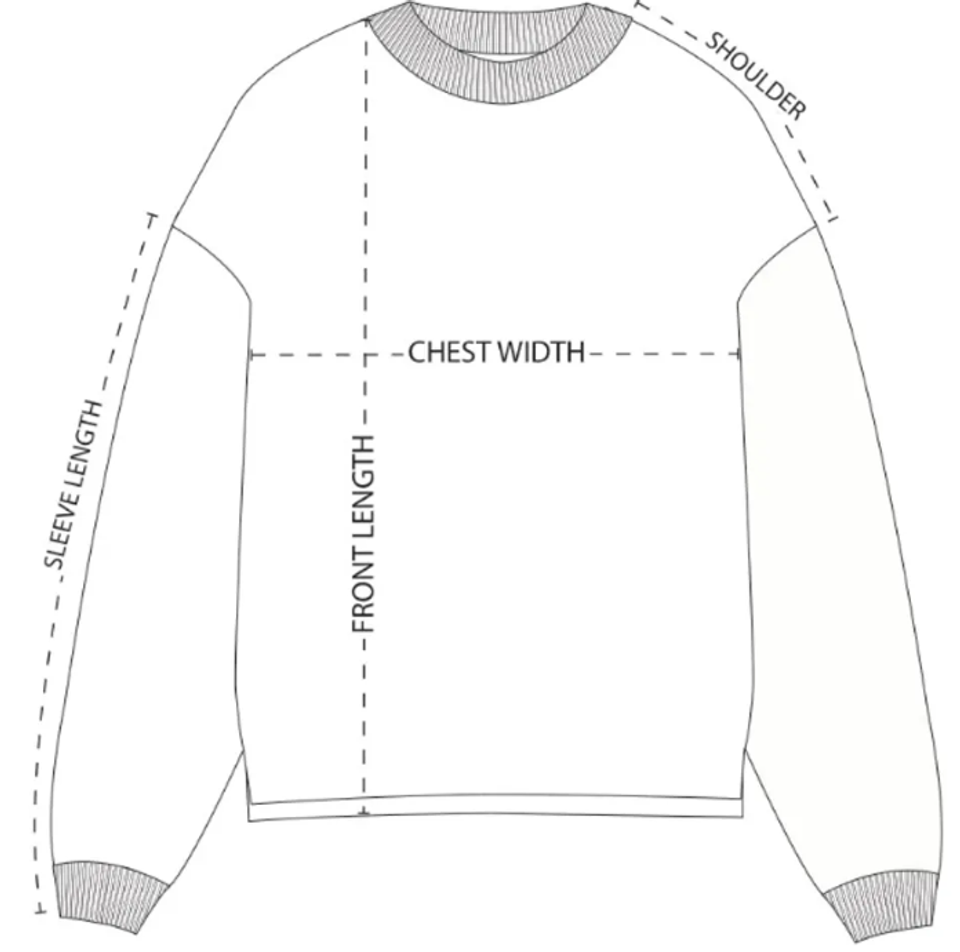
Start by checking the Printblur size guide for your chosen sweater style. There are multiple sweater styles, made from different fabrics. Each has its own measurement guide for chest width, sleeve length, and body length.
Compare these measurements to a sweater you already own that fits you well. This helps you find the closest match and avoid guessing your size.
If you are between sizes, think about how you plan to wear the sweater.
- For a relaxed, casual look, go one size up.
- For a classic or fitted look, stay true to size.
The fit guides on Printblur show how each style drapes on real models, giving you a visual reference for how your printed design will appear once worn.
Customize With Confidence
When shopping personalized sweatshirts on Printblur.com, it’s essential to stay updated with the final mockup. You can test how the print looks on different sweater sizes, fabrics, and colors.
Once you’re guaranteed to be content with your final mockup, your order will proceed to production.
Customer Support
If you have any confusion in finding your size of your desired sweater, do not hesitate to contact our customer support for further assistance.
This will help you place an order confidently on our website and guarantee your satisfaction when your sweater arrives.
Conclusion
The way your sweater fits can transform your entire look, from casual comfort to standout style. A perfect fit highlights your shape, protects your print, and enhances your confidence every time you wear it.
Now that you know how a sweater should fit, you can choose a style that flatters your frame and showcases your design exactly as intended.
Read More:
Relaxed Fit vs Regular Fit Shirt: Key Differences Explained
What's The Difference Between T-Shirt and Shirt? Printblur Explained
How Many T-Shirts Should A Man Own? For A Well-Rounded Wardrobe
Oversized sweaters are a popular style choice. The shoulder seams can sit slightly lower, and the body should drape loosely without swallowing your frame. Pair an oversized sweater with fitted pants or jeans to keep your outfit structured and trendy.
A good sweater fit sits comfortably against your body without feeling tight. There should be a little room around your chest and arms for easy movement. If it’s too tight, the fabric may stretch and distort any printed design. If it’s too loose, the sweater can lose shape and make the print appear uneven. Aim for a relaxed, natural fit that flatters your shape and keeps the print smooth.
It depends on the look and purpose. Size up if you want a cozy, layered, or streetwear-style fit. Stay true to size if you prefer a classic, clean look.
For printed sweaters from Printblur, we recommend using our size chart before deciding as a precise fit helps your design stay centered and vibrant.
Structured shoulders, correct sleeve length, and a hem that ends near your beltline all help create a neat look. If your sweater has a printed design, make sure it sits flat across your chest to keep the style polished and balanced.
Yes. When you layer a sweater with shirts, pick a sweater with a bit of extra room in the shoulders and chest. Lightweight button-downs pair best under crewneck or v-neck sweaters for a clean, layered look that keeps your print visible and wrinkle-free.
Different fabrics behave in unique ways. Polyester blends allow slimmer fits and hold prints firmly in place.